Stand Up And Cheer! (1934)
Stand Up and Cheer! is a 1934 American musical revue‑drama directed by Hamilton MacFadden and released by Fox Film Corporation. Created at the height of the Great Depression, the film blends political fantasy, patriotic spectacle, and variety‑show entertainment, imagining a government‑sponsored effort to lift the nation’s spirits through music and performance. It is best remembered today for featuring one of the earliest screen appearances of Shirley Temple, whose brief musical number helped launch her superstardom.
Plot Summary
The story unfolds as the U.S. President (played by Arthur Byron) creates a new cabinet post—the Secretary of Amusement—tasked with restoring national morale. He appoints Lawrence Cromwell (Warner Baxter), an idealistic showman who believes that joy, music, and optimism can help revive the country.
Cromwell assembles a troupe of performers and begins staging morale‑boosting spectacles. However, political opponents and cynical businessmen conspire to sabotage his efforts, fearing that a happier public will undermine their influence. Amid the intrigue, Cromwell falls in love with his secretary, Mary Adams (Madge Evans), while navigating bureaucratic resistance and theatrical chaos.
The film culminates in a patriotic musical finale, affirming the power of entertainment as a unifying force during hard times.
Cast
- Warner Baxter as Lawrence Cromwell
- Madge Evans as Mary Adams
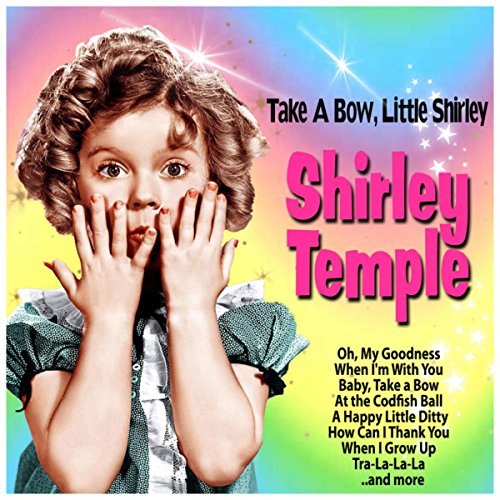
- Shirley Temple as Shirley Dugan
- James Dunn as Jimmy Dugan
- Nigel Bruce as John H. Block
- Arthur Byron as The President
- Stepin Fetchit as The Messenger
- Ruth Etting, John Boles, and others in musical appearances
Production Notes & Context
- Directed by Hamilton MacFadden, who specialized in musicals and light comedies for Fox.
- Produced during the early New Deal era, the film reflects contemporary optimism about government intervention and national recovery.
- Features a series of revue‑style musical numbers, including Shirley Temple’s breakout performance of “Baby, Take a Bow”, which became one of her signature early routines.
- The film blends political satire with musical spectacle, presenting a fictionalized, idealized version of federal morale‑boosting programs.
- Fox used the film to showcase its roster of musical talent, including Ruth Etting and John Boles.
- The presence of Stepin Fetchit reflects the racial stereotypes of the era; his role is often cited in modern discussions of early Hollywood representation.